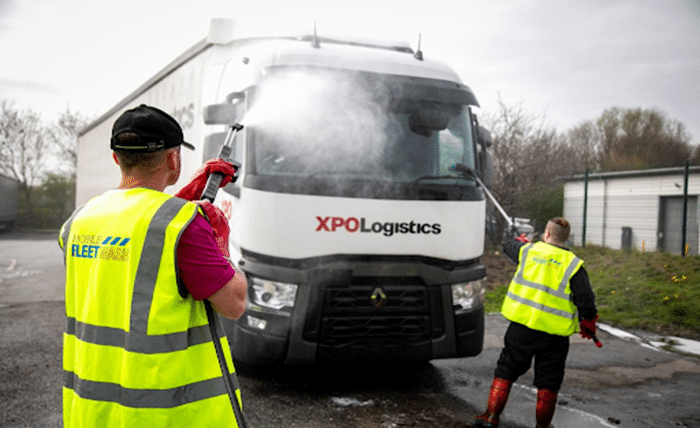
Commercial vehicles play an important role in transport, logistics, delivery, and supply chain operations. Since these vehicles travel long distances and operate in different weather conditions, they regularly collect mud, road salt, grease, dust, and other contaminants. Regular commercial vehicle washing helps businesses maintain clean, presentable vehicles while supporting routine inspections and better fleet management.
In addition, professional cleaning helps companies maintain a consistent brand image and create a positive impression on customers. By including vehicle washing in their maintenance plans, fleet operators can support vehicle upkeep, improve workplace standards, and manage their operations more effectively.
Why Vehicle Cleanliness Matters for Commercial Fleets
Commercial vehicles represent a business wherever they travel. Delivery vans, trucks, trailers, and heavy goods vehicles often interact with customers, suppliers, and members of the public. Therefore, keeping them clean is not simply about appearance; it is also an important part of professional fleet management.
Maintaining A Professional Brand Image
Clean vehicles help businesses present a reliable and organised image. When customers receive deliveries or see company-branded vehicles on the road, the vehicle’s condition can influence their perception of the business.
Regular cleaning offers several advantages:
- Consistent Appearance: A planned washing schedule helps maintain similar cleanliness standards across the fleet.
- Positive Customer Impressions: Clean vehicles show attention to detail and professional care.
- Better Brand Visibility: Removing dirt from vehicle graphics and logos helps keep company branding clear.
- Improved Presentation: Clean trucks and vans look more suitable for customer-facing operations.
For businesses operating across several locations, fleet vehicle cleaning in uk can help maintain consistent standards across different depots and routes.
How Regular Washing Supports Vehicle Maintenance
Road grime does not always remain on the surface. Dirt, salt, grease, and other contaminants can collect around wheels, chassis sections, body panels, and other exposed areas. If businesses leave this build-up for long periods, it can become harder to remove and may make routine inspections more difficult.
Making Inspections Easier
Clean vehicles allow drivers and maintenance teams to examine important areas more clearly. Although washing cannot prevent every mechanical problem, it can help reveal visible damage and unusual conditions that dirt might otherwise conceal.
Important benefits include:
- Clearer Visibility: Clean mirrors, windows, lights, and reflective markings support visibility and vehicle identification.
- Easier Condition Checks: Removing dirt can help technicians identify visible leaks, cracks, corrosion, or damaged bodywork.
- Reduced Contaminant Build-Up: Regular washing removes accumulated road film, mud, and salt before deposits become difficult to manage.
- Better Maintenance Planning: Cleaner surfaces can make routine inspections and follow-up checks more practical.
However, washing should complement, not replace, scheduled servicing, mechanical inspections, and safety checks. A structured approach to regular commercial vehicle washing helps businesses keep vehicle cleanliness aligned with their wider maintenance responsibilities.
The Operational Benefits Of Scheduled Fleet Cleaning
Fleet operators often manage tight delivery schedules, driver availability, customer commitments, and vehicle turnaround times. Sending vehicles to an off-site washing facility can add travel time and disrupt daily operations. On-site cleaning offers an alternative by allowing vehicles to be washed where they are normally parked.
Reducing Unnecessary Downtime
Mobile cleaning teams can work at depots, yards, and operating locations, depending on site access and service arrangements. Businesses can schedule cleaning during quieter periods to reduce interference with deliveries and other activities.
A planned cleaning programme can support operations in several ways:
- Flexible Scheduling: Morning, evening, or weekend visits may suit different fleet requirements.
- Less Travel for Washing: On-site services can eliminate the need to drive vehicles to a separate wash facility.
- Consistent Cleaning Standards: Scheduled visits help prevent vehicles from becoming excessively dirty between washes.
- Simplified Fleet Management: Managers can coordinate cleaning around vehicle availability and operating schedules.
Professional fleet vehicle cleaning in uk can be particularly useful for companies managing large fleets or vehicles across multiple sites. By arranging suitable cleaning intervals, businesses can maintain presentation without unnecessarily interrupting their working routines.
Choosing The Right Cleaning Approach
Not every commercial vehicle has the same cleaning requirements. A delivery van operating mainly in urban areas may collect different types of dirt from a heavy goods vehicle travelling long distances. Similarly, tankers, trailers, refrigerated vehicles, and refuse collection vehicles may require different cleaning procedures.
Matching Cleaning Methods To Vehicle Needs
Before establishing a cleaning programme, fleet managers should consider the following factors:
- Vehicle Type: Identify whether the fleet includes vans, HGVs, trailers, tankers, or specialist vehicles.
- Operating Conditions: Consider road conditions, weather exposure, loading activities, and the amount of daily use.
- Cleaning Frequency: Choose an appropriate schedule based on how quickly vehicles become dirty and the standards required.
- Cleaning Products: Use suitable products that remove road film and grime without damaging vehicle finishes or components.
- Site Requirements: Check access, drainage, water availability, and any environmental requirements before arranging on-site washing.
Businesses should also consider whether they need exterior washing, interior cab cleaning, or trailer washouts. The right combination depends on vehicle use, hygiene requirements, and operational priorities.
Environmental Responsibility In Commercial Vehicle Washing
Vehicle washing requires careful management of water, cleaning products, and wastewater. When businesses clean vehicles at depots or operating sites, they should consider how wash water will be collected and handled, especially where suitable drainage is unavailable.
Responsible cleaning practices include:
- Wastewater Containment: Use appropriate systems to capture wash water where necessary.
- Suitable Cleaning Products: Select products according to the vehicle surface, cleaning task, and environmental requirements.
- Proper Disposal: Ensure wastewater is handled and disposed of in accordance with applicable regulations.
- Efficient Water Use: Use appropriate equipment and cleaning methods to avoid unnecessary water consumption.
A professional fleet vehicle cleaning in uk provider should be able to explain its cleaning process, site requirements, and wastewater arrangements. These details help businesses assess whether a service fits their operational and environmental responsibilities.
Conclusion
Commercial vehicle cleaning is an important part of maintaining a professional appearance, supporting routine inspections, and improving fleet management. Regular commercial vehicle washing helps remove road grime, maintain clear vehicle markings, and make visible damage easier to identify. Meanwhile, scheduled fleet vehicle cleaning in uk allows businesses to organise washing around operating hours, reduce unnecessary trips to off-site facilities, and maintain consistent standards across their vehicles.
Keeping commercial vehicles clean is easier when cleaning services fit around business operations. Mobile Fleetwash provides on-site cleaning for HGVs, trucks, vans, trailers, and other commercial vehicles across the UK. They offer flexible scheduling, including weekly and fortnightly visits, alongside services such as interior valets and suitable trailer washouts. Businesses can head over to Mobile Fleetwash to learn more about their options and arrange a tailored washing plan designed for their specific depot setup and operational needs.