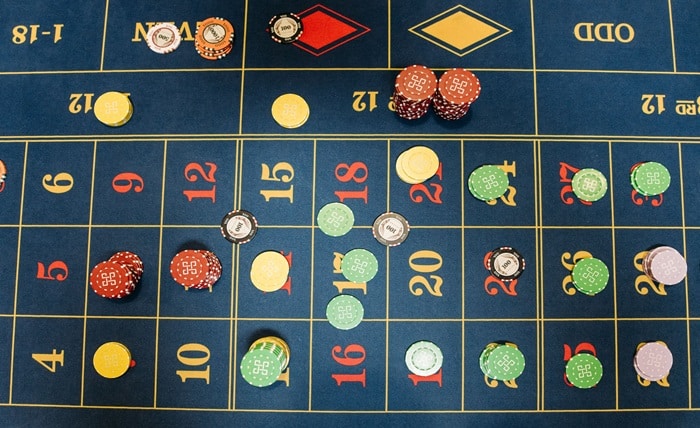
When people talk about Sikkim Game, they usually focus on the obvious parts: the rules, the wins, the losses, and whether it is worth the time. Those things matter, but they tend to crowd out a few quieter advantages that only show up after a player has spent a little time with the experience. Some of these benefits have nothing to do with winning at all. They are about how the activity fits into an ordinary day and what it nudges a person to notice. If you have only ever thought about the scoreboard, there is a good chance you have missed a few of them.
The Small Pause Between Decisions
One benefit that rarely gets mentioned is how much a session forces a short pause before each move. Many everyday apps reward speed and constant scrolling, but a round of Sikkim Game asks you to stop, look at what is on the table, and think about the next step. That brief gap is easy to ignore, yet it trains a habit of checking before acting. Over a few weeks, players often notice they hesitate a little more before sending a message or making a quick purchase elsewhere.
The pause also gives a useful break from the noise of a busy day. You are not reacting to a flood of notifications, just focusing on one manageable decision at a time. Many people find that this kind of narrow attention feels oddly restful, even when the stakes are small.
Practicing Patience Without Noticing
Patience is a skill that most of us wish we had more of, and playing Sikkim Game quietly builds it. Results rarely arrive on the schedule you expect, so you learn to accept a slow run without rushing to change everything. A player who watches a few rounds in a row go nowhere often starts to see that a single bad stretch says very little about the bigger picture.
This lesson carries over into other parts of life. People who have spent time with a game like this often report being less frustrated when a work project or household task drags on. They have already practiced waiting for something to unfold, and that calm can make ordinary delays feel less like personal failures.
Sharper Attention to Numbers
Another hidden benefit is the way regular play sharpens comfort with simple numbers. Keeping track of totals, odds, and small changes across a session builds a kind of mental arithmetic that feels natural after a while. You do not need advanced math to get something out of this. Just the habit of glancing at figures and asking what they mean is enough to make you more alert.
That same habit can help outside the game. Checking a bill, comparing prices at the store, or reading a simple chart at work starts to feel less intimidating. Many players never think of their routine as practice for real-world number sense, yet the benefit is there for anyone who pays attention to it.
Closing Thoughts on the Overlooked Side
Looking past the wins and losses, Sikkim Game can offer a surprisingly useful mix of patience, focus, and everyday number sense. None of these benefits require spending heavily or playing for hours. They tend to come from paying attention to what the experience asks of you. Keep that perspective and you are more likely to enjoy the activity for what it is, while staying grounded about what it can and cannot give you.